Book
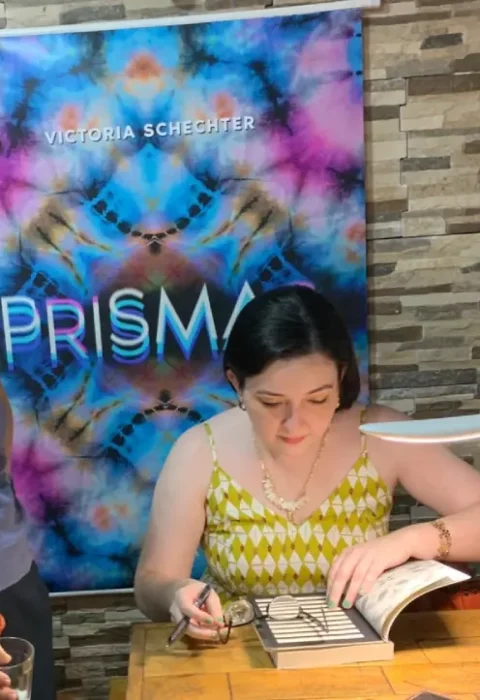
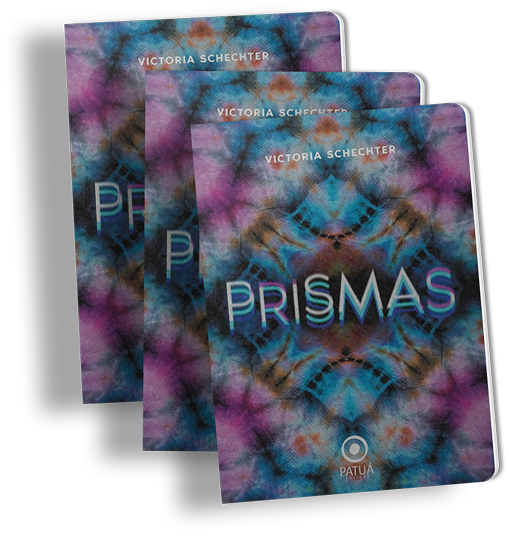
Prismas - Victoria Schechter
Prismas emerged from my personal experience of visual impairment, but it is not an autobiographical novel. The book is also inspired by accounts from other disabled people and by exchanges within the online disability community, as well as by my father’s experience of disability in a time when neither technological resources nor recognised rights were not widely available.
The novel is built through multiple voices, particularly that of Isabel, a blind protagonist who reveals how external perceptions often say more about those who look at her than about her herself. This polyphonic structure was important to me because it allowed the narrative to reflect the complexity and contradiction of disability, moving away from familiar stereotypes such as the tragic figure or the heroic narrative of ‘overcoming’.
The writing process began in solitude, but it gradually acquired a more public dimension when I started writing in open spaces, which also led me to think about the theme of visibility in a new way. With Prismas, I wanted to create a place within Brazilian literature for disabled bodies portrayed as desiring, ambiguous, and fully alive — offering, perhaps, a language of belonging for readers who do not often see themselves represented in literature.